Understanding Skin Tags
Skin tags, medically known as acrochordons, are small, soft, benign skin growths that commonly appear in areas where skin rubs against skin or clothing. They are extremely common, affecting a large percentage of the population, particularly as individuals age. While skin tags are harmless and typically painless, many people choose to have them removed for cosmetic reasons or because they become irritated by clothing or jewelry. Understanding what skin tags are and how they develop is the first step in addressing them effectively.
Skin tags typically appear as small, flesh-colored or slightly darker growths that hang off the skin by a thin stalk called a peduncle. They are most commonly found on the neck, armpits, eyelids, groin area, and under the breasts. While the exact cause of skin tags is not fully understood, they are thought to develop from friction between skin surfaces, hormonal changes, and possibly genetic factors. They tend to be more common in overweight individuals and those with diabetes, though anyone can develop them.
It is important to distinguish skin tags from other skin growths such as moles, warts, and seborrheic keratoses. While skin tags are almost always harmless, some other skin growths can potentially be cancerous or pre-cancerous. Therefore, any new or changing skin growth should be evaluated by a dermatologist to ensure proper diagnosis and appropriate treatment. This guide provides comprehensive information to help you understand your options while emphasizing the importance of professional medical evaluation.


Distinguishing Skin Tags from Other Growths
Skin Tags
Skin tags are soft, movable growths that hang from the skin by a thin stalk. They are typically flesh-colored or slightly darker and range in size from a few millimeters to about a centimeter. They are not usually painful unless irritated by friction. Skin tags are benign and do not require treatment for health reasons, though many people opt for removal for cosmetic purposes or comfort.
Common Moles
Moles are typically darker than the surrounding skin and can be flat or raised. Unlike skin tags, moles are usually present from birth or develop early in life. While most moles are benign, some can develop into melanoma, a serious form of skin cancer. Any mole that changes in size, color, shape, or develops symptoms like itching or bleeding should be evaluated by a dermatologist promptly.
Seborrheic Keratoses
These are waxy, stuck-on-looking growths that can appear anywhere on the body. They are often described as looking like they have been pasted onto the skin. While they are also benign, their appearance can sometimes be concerning to patients. Seborrheic keratoses tend to appear in older adults and can vary in color from flesh-colored to dark brown or black.
Warts
Warts are caused by the human papillomavirus (HPV) and have a rough, cauliflower-like texture. Unlike skin tags, warts are typically flat or raised with a rough surface. Warts can spread to other areas of the body or to other people through direct contact. Various treatment options are available for warts, including over-the-counter products and professional removal.
Safe Removal Methods
While skin tags are harmless, many individuals seek removal for cosmetic reasons or because the tags become irritated by clothing, jewelry, or daily activities. It is crucial to understand that professional removal by a qualified dermatologist is the safest approach. Attempting to remove skin tags at home can lead to complications such as infection, scarring, bleeding, and potential damage to surrounding skin. Additionally, without proper training, it can be difficult to distinguish skin tags from other more serious skin growths.
Dermatologists offer several safe and effective methods for skin tag removal. These include surgical excision, where the skin tag is cut off with sterile surgical scissors; cryotherapy, which involves freezing the skin tag with liquid nitrogen; and electrocautery, which uses electrical current to burn off the skin tag. The choice of method depends on the size, location, and number of skin tags, as well as patient preference and the dermatologist's recommendation.

Healthy Skin Results
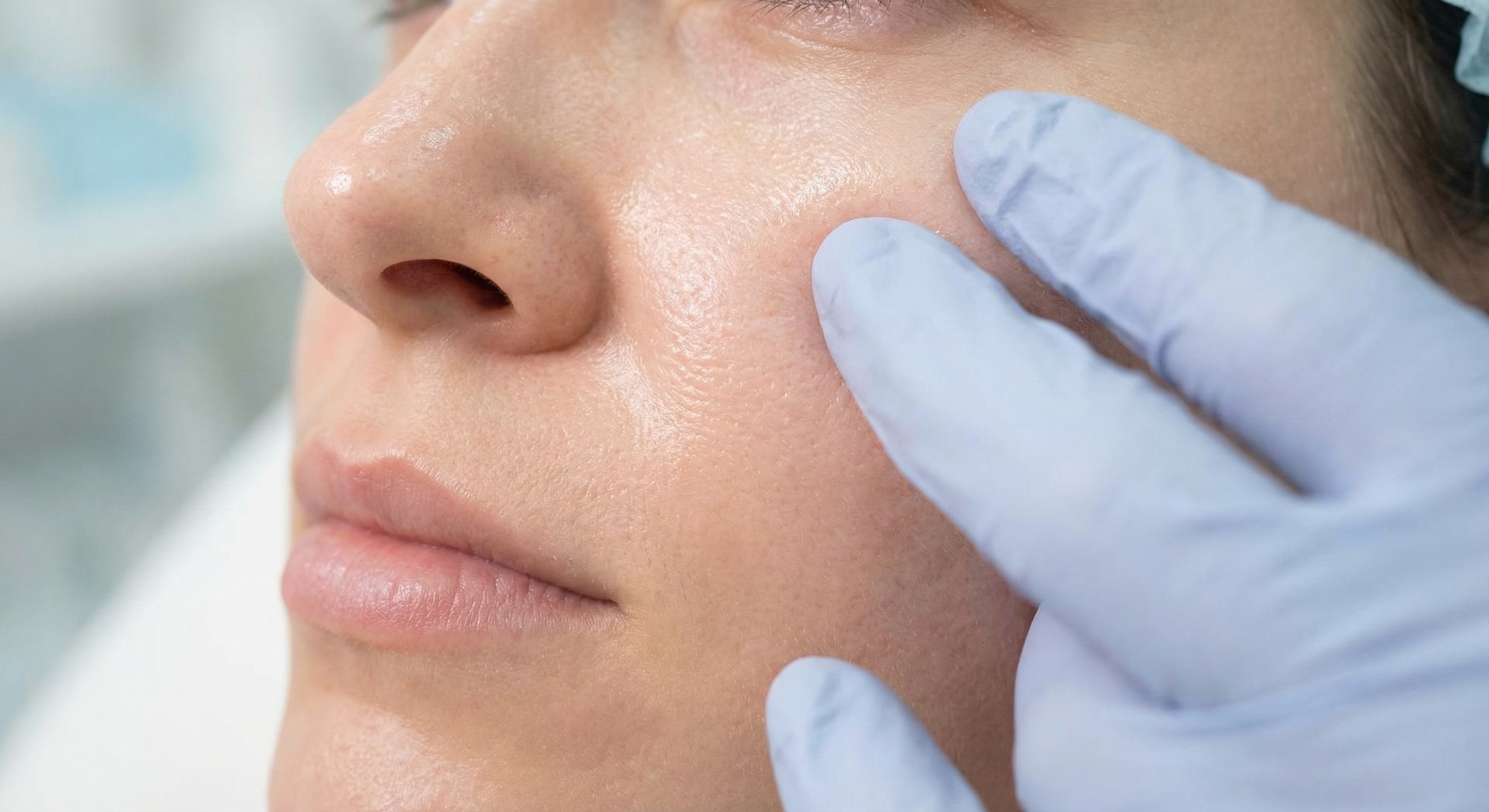
Professional skin tag removal can restore smooth, clear skin and improve your appearance and confidence.

Professional Care Environment
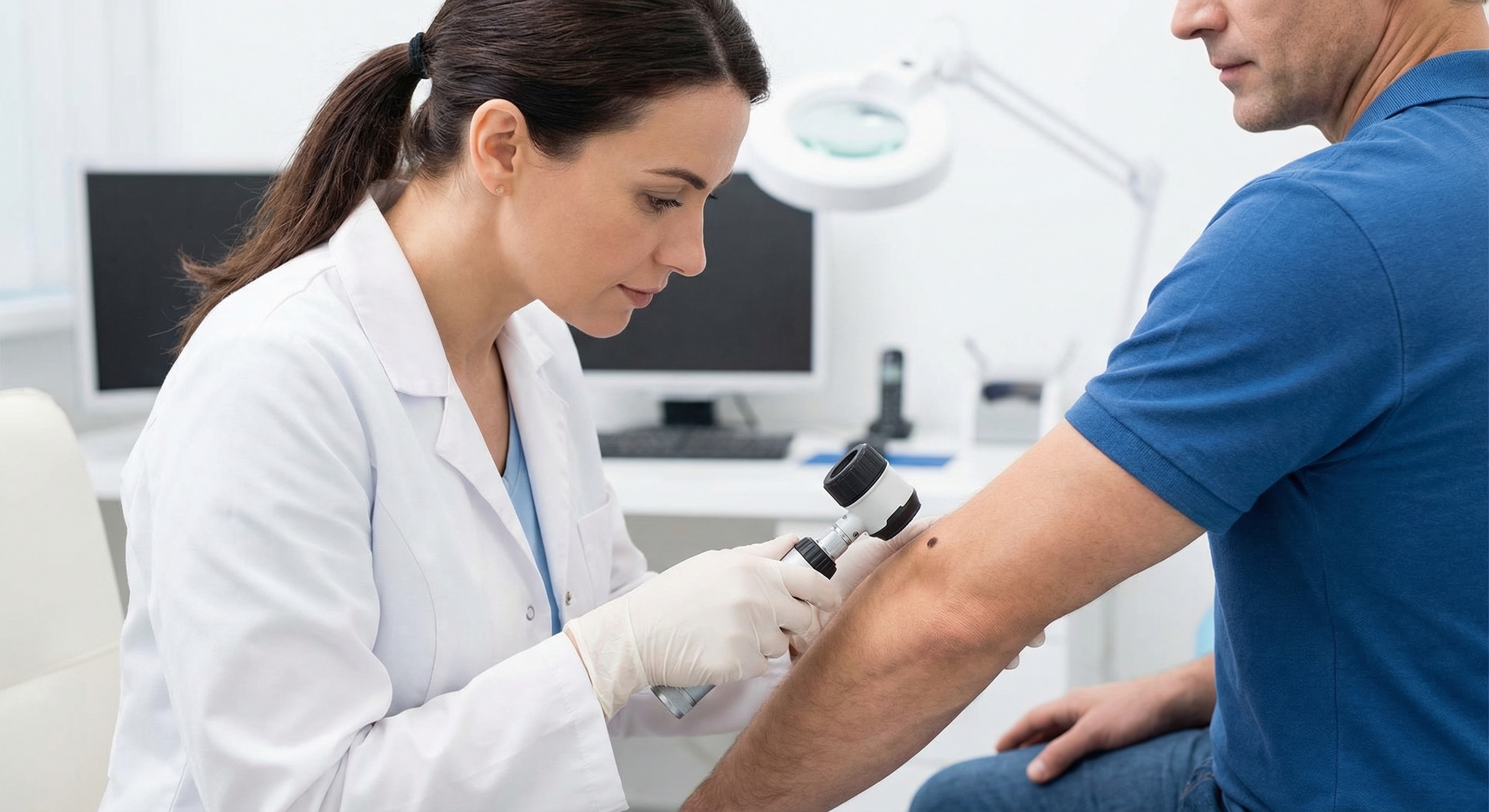
Modern dermatology clinics provide safe, sterile environments for skin tag removal procedures.
Prevention and Aftercare
While there is no guaranteed way to prevent skin tags from forming, certain measures may help reduce their occurrence. Maintaining a healthy weight can decrease friction in areas where skin tags commonly form. Avoiding tight jewelry and clothing that rubs against the skin can also help prevent irritation that may contribute to skin tag development. Good skincare practices and protecting your skin from excessive sun exposure support overall skin health.
After skin tag removal, proper aftercare is essential to promote healing and prevent complications. This typically includes keeping the area clean and dry, avoiding picking at any scabs, and protecting the area from sun exposure. Most people experience minimal discomfort after the procedure and can return to normal activities quickly. Following your dermatologist's specific aftercare instructions will help ensure optimal results and minimize the risk of scarring or infection.
When to See a Dermatologist
While skin tags are generally harmless, certain situations warrant a visit to the dermatologist. If you notice any skin growth that is changing in size, color, or shape, or if a growth becomes painful, itchy, or bleeds, it is important to have it evaluated promptly. These could be signs of a more serious condition that requires medical attention. Additionally, if you have numerous skin tags or develop them in unusual patterns, a dermatologist can help determine if there is an underlying hormonal or medical condition contributing to their development.
Regular skin examinations are recommended for everyone, particularly those with a history of skin cancer or unusual moles. During a skin examination, a dermatologist can evaluate skin tags and other growths, provide recommendations for removal if desired, and monitor for any concerning changes. Building a relationship with a dermatologist ensures ongoing skin health monitoring and provides peace of mind regarding any skin concerns you may have.